
Ledger® Live Wallet— Getting Started™ | official Ledger™ Live App
Ledger Live wallet offers a convenient way to understand compatible Ledger hardware management, with information about accounts, crypto assets, applications, transactions, and security.
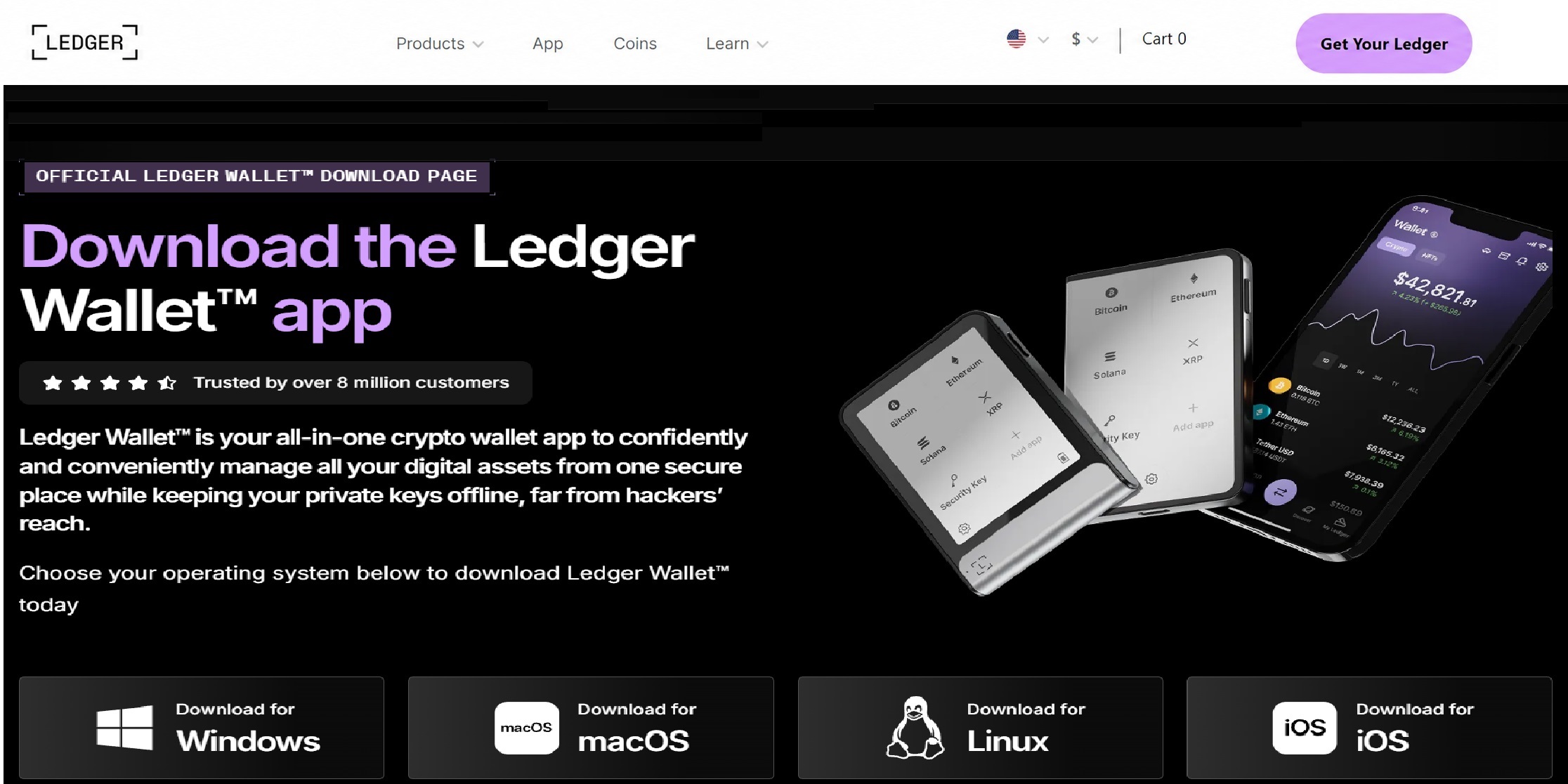
Ledger Live Desktop: A Complete Guide to Managing Your Ledger Wallet
Managing cryptocurrency from a desktop computer can provide a convenient way to organize accounts, review transactions, and interact with a hardware wallet. Ledger Live Desktop is a commonly searched name for Ledger’s desktop wallet experience, which is now presented under the Ledger Wallet name.
The desktop application works together with a Ledger hardware wallet to provide an interface for managing supported cryptocurrency accounts. The software handles account information and wallet functions, while the physical device provides an important layer for approving security-sensitive operations.
What Is Ledger Live Desktop?
Ledger Live Desktop refers to the desktop version of Ledger’s wallet-management software. It allows users to connect a compatible Ledger hardware wallet to a computer and access supported account-management features.
Depending on the device, cryptocurrency, software version, and region, users may be able to view balances, add accounts, install blockchain applications, receive assets, prepare transactions, and access other available services.
Although many users still use the term “Ledger Live Desktop,” Ledger’s current software branding uses the Ledger Wallet name.
Ledger Wallet on Desktop
Ledger Wallet provides a software interface for interacting with a Ledger hardware wallet.
The desktop experience is particularly useful for people who prefer managing several accounts from a larger computer screen. Instead of relying on multiple separate applications, users can access supported wallet functions from a central interface.
The physical Ledger device remains separate from the desktop application. This separation is important because sensitive transaction approvals take place through the hardware wallet.
Getting Started With Ledger Live Desktop
Before using the desktop wallet, make sure you have a compatible Ledger hardware wallet and a trusted computer.
Download the current Ledger wallet software only from official Ledger resources. Avoid unofficial download pages, modified applications, file-sharing sites, and unexpected links sent through email or social media.
After installing the application, open it and connect your Ledger device using the appropriate connection method.
Connecting a Ledger Hardware Wallet
When the Ledger hardware wallet is connected, the desktop software can guide you through the available setup or account-management options.
Follow the instructions displayed by the application and pay attention to your physical Ledger device.
Whenever important information is presented on the hardware wallet, review it carefully before confirming an action. If the information shown on the device is unexpected, do not approve the operation until the issue has been understood.
Setting Up a Ledger Account
A Ledger hardware wallet can be used to manage multiple supported cryptocurrency accounts.
After the initial device setup, the desktop application can provide options for adding supported accounts. The available assets depend on Ledger’s current support, the device model, and the blockchain network.
Once an account is added, the desktop interface can provide relevant balance and transaction information.
Installing Supported Crypto Apps
Certain blockchain networks require an application on the Ledger hardware wallet before their associated accounts can be used.
The Ledger desktop software can help users install supported applications directly through the wallet interface.
Before installing an application, check that the cryptocurrency and network are supported by your particular Ledger device.
Available features and supported assets can change over time, so current Ledger documentation should be consulted when compatibility is important.
Viewing Your Crypto Portfolio
A desktop wallet makes it easier to review multiple accounts from one workspace.
Ledger Wallet can display supported account balances and transaction activity, allowing users to keep track of their digital assets.
Portfolio values may be displayed using available market information and can change as cryptocurrency prices fluctuate. The information shown in the application should therefore be viewed as account and market data rather than a fixed valuation.
Receiving Cryptocurrency Through Ledger Wallet
When receiving supported cryptocurrency, users can obtain the relevant receiving information through their wallet account.
Before sharing a receiving address, confirm the correct asset and network.
Some cryptocurrencies can operate across multiple networks. Sending an asset through an incompatible network can cause problems, so the sender and recipient should use compatible network information.
For important transfers, carefully check the address before the transaction is initiated.
Sending Cryptocurrency From Desktop
The Ledger desktop wallet can also be used to prepare transactions for supported assets.
Enter the required transaction information and carefully review the details before approval. Pay particular attention to the destination address, cryptocurrency, amount, network, and applicable transaction costs.
The physical Ledger device provides an additional verification step. Review the transaction details displayed on the hardware wallet before approving the transaction.
Never approve a transaction if the information shown on the physical device differs from what you intended.
Ledger Live Desktop and Hardware Security
One of the key differences between a hardware wallet and ordinary software-only wallets is the role of the physical device.
Ledger Live Desktop provides the interface, but the Ledger hardware wallet remains an important component of transaction authorization.
This means users should keep the physical device secure and under their control. The desktop application should not be treated as a replacement for the hardware wallet.
Protect Your Recovery Backup
During the initial Ledger wallet setup, users must pay close attention to wallet recovery information.
The recovery backup should be recorded according to the instructions provided by the Ledger device and stored securely offline.
Never share recovery information with another person. Do not type it into random websites, online forms, customer-support chats, or unsolicited applications.
A request for your recovery phrase from an unexpected source should be treated with extreme caution.
Ledger Live Desktop Login and Account Access
People searching for “Ledger Live login” may be looking for access to their Ledger wallet software.
Because Ledger’s application terminology has changed, users may encounter Ledger Wallet instead of the older Ledger Live branding.
Be careful with websites that advertise a Ledger Live login and immediately request sensitive wallet information. A legitimate wallet interface should not require you to disclose your recovery phrase simply to access your wallet.
Always verify that you are using official Ledger software before entering any information.
Desktop Wallet Security Tips
Good security habits are important when using Ledger Live Desktop.
Keep the Ledger hardware wallet physically secure. Use official wallet software. Protect your device PIN and recovery backup. Keep your computer updated and avoid installing unknown browser extensions or applications that interact with your wallet.
Be cautious about unexpected support messages. Scammers can impersonate wallet companies and may claim that your account requires verification, synchronization, activation, or recovery.
Never give confidential wallet information to an unsolicited contact.
Keeping Ledger Software Current
Wallet software can receive updates that improve compatibility, functionality, and security.
When updating your Ledger desktop application or hardware wallet, use official Ledger resources and carefully follow the displayed instructions.
Do not install firmware or wallet updates from links supplied by unknown individuals or unofficial websites.
Using Ledger Live Desktop for Daily Management
Once the wallet has been configured, the desktop application can become a central workspace for supported cryptocurrency management.
Users can review account information, monitor supported assets, prepare transactions, manage compatible blockchain applications, and access other available wallet features.
The exact functionality depends on the asset, device, software version, and current Ledger services.
Why Ledger Live Desktop Remains a Useful Search Term
Even though Ledger has adopted the Ledger Wallet name for its current software experience, many existing users continue searching for Ledger Live Desktop because that was the familiar name of the application.
Understanding this terminology makes it easier to recognize that Ledger Live and Ledger Wallet refer to different stages of Ledger’s software branding rather than two unrelated hardware wallets.
For anyone setting up a Ledger device today, the important steps are to obtain the official software, connect the hardware wallet, configure supported accounts, protect the recovery backup, and verify transactions directly on the physical device.
Final Thoughts
Ledger Live Desktop provides a computer-based environment for interacting with supported Ledger accounts and digital assets. Under the current Ledger Wallet branding, the desktop experience continues to connect software-based account management with the security features of a Ledger hardware wallet.
Whether you are monitoring a portfolio, installing a supported blockchain application, receiving cryptocurrency, or preparing a transaction, take time to verify each important step.
Use official Ledger software, protect your recovery information, keep your hardware wallet secure, and carefully review transaction details on the Ledger device before approving them.
Updated about 4 hours ago