
Ledger®® Live: Desktop® — Getting Started | official Ledger™
Explore Ledger Live Desktop for practical guidance on connecting compatible Ledger devices, managing crypto accounts, monitoring portfolios, installing blockchain apps, and confirming transactions.
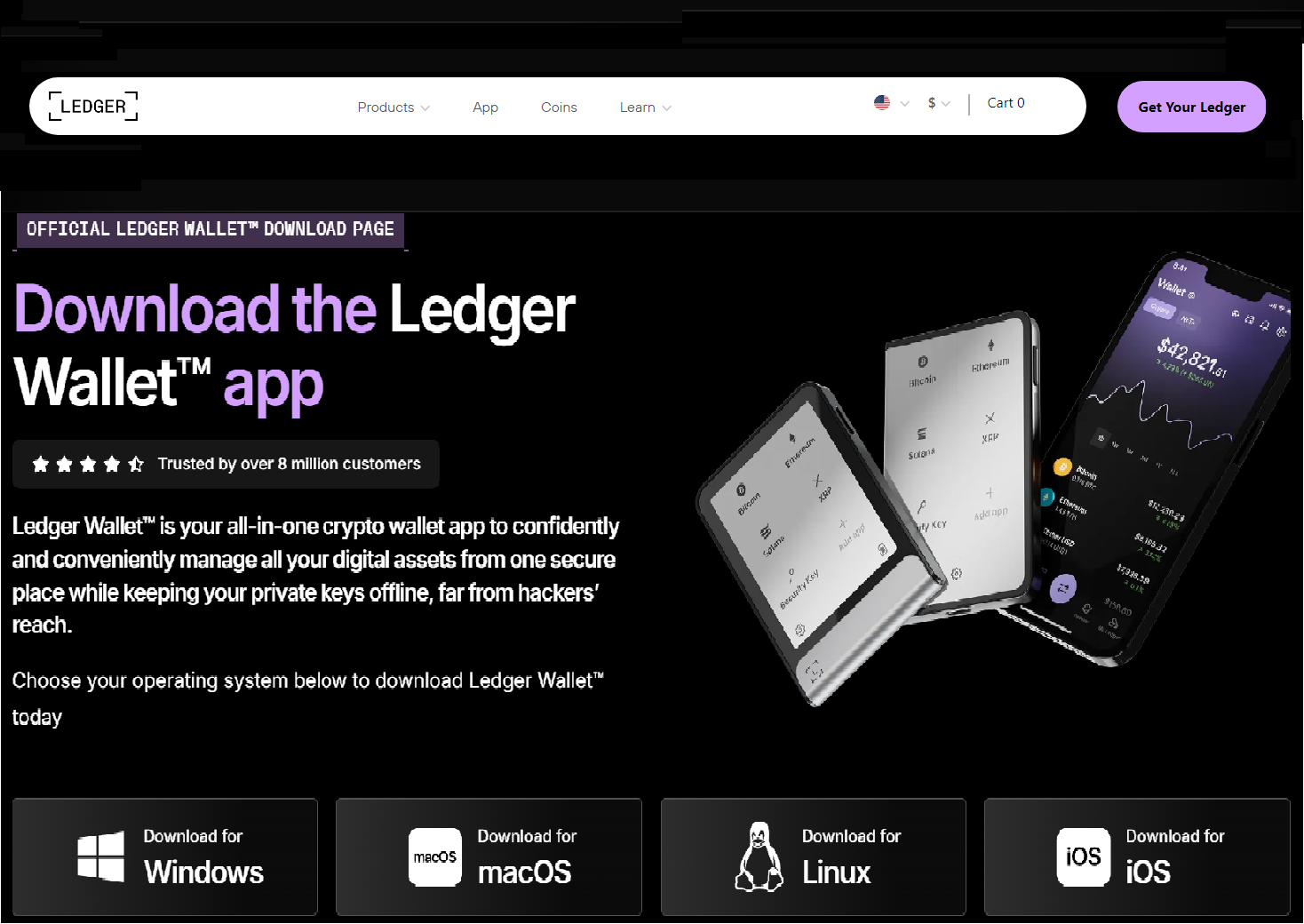
Ledger Live Desktop: Complete Guide to Desktop Crypto Management
Managing digital assets from a computer can be easier when your wallet software provides a central place to view accounts, monitor balances, and interact with a hardware wallet. Ledger Live Desktop was designed for this purpose, providing a desktop environment for users managing supported cryptocurrency accounts with a Ledger hardware wallet.
Ledger’s software experience has evolved, and the companion application is now referred to as Ledger Wallet. However, many users still search for Ledger Live Desktop, Ledger Live app, or Ledger Live download when looking for the desktop wallet experience.
What Is Ledger Live Desktop?
Ledger Live Desktop refers to the desktop wallet management experience associated with Ledger hardware wallets. It provides a computer-based interface through which users can manage supported accounts and interact with their physical Ledger device.
The desktop application can be used for tasks such as viewing portfolio information, adding supported accounts, installing blockchain applications, receiving cryptocurrency, preparing transactions, and managing certain device settings.
The exact features available can depend on the Ledger device, cryptocurrency, software version, and region.
Ledger Live Desktop and Ledger Wallet
Users familiar with Ledger Live may notice that Ledger now uses the Ledger Wallet name for its companion software.
This means searches for “Ledger Live Desktop” and “Ledger Wallet desktop” can lead users to the same general software ecosystem. The terminology has changed, but the purpose remains centered around providing an interface for managing supported digital assets alongside a Ledger hardware wallet.
When looking for desktop wallet software, always use official Ledger sources rather than downloading applications from unknown websites.
Why Use a Desktop Ledger Wallet?
A desktop environment can provide a larger workspace for managing multiple cryptocurrency accounts and reviewing transaction information.
With Ledger Wallet on a supported computer, users can organize accounts, monitor balances, review activity, and access available wallet features from a single interface.
The physical Ledger device adds a separate hardware-based confirmation step for security-sensitive operations. This separation between the desktop application and the hardware device is an important part of the Ledger wallet workflow.
Downloading Ledger Wallet for Desktop
Before installing the desktop application, confirm that your computer meets the current system requirements for the supported Ledger software.
Download the application only through official Ledger resources. Avoid third-party download sites, unofficial mirrors, advertisements, or files sent through unexpected messages.
After installation, open the Ledger wallet application and connect your compatible Ledger hardware wallet.
Connect Your Ledger Hardware Wallet
Once the desktop application is running, connect the Ledger device using the supported connection method.
The software should guide you through the connection and setup process. Follow the instructions shown by the application and pay attention to the information displayed directly on the physical device.
The hardware wallet should remain under your control throughout the setup and management process.
Managing Accounts on Desktop
One of the main advantages of the desktop wallet experience is having a central location for supported accounts.
Users can add supported cryptocurrency accounts, review balances, monitor transaction activity, and organize their wallet information.
Account availability varies according to the cryptocurrency, blockchain network, device model, and current Ledger software support.
Before transferring an asset, confirm that the intended cryptocurrency and network are supported.
Install Blockchain Applications
Some supported cryptocurrencies require an associated application to be installed on the Ledger hardware wallet.
The Ledger desktop software can provide tools for installing and managing supported blockchain applications.
Available applications and their requirements can change as software and device support evolves. Follow the instructions shown in the current Ledger Wallet interface for your specific device.
Receiving Cryptocurrency
Ledger Wallet can be used to generate receiving information for supported accounts.
When receiving cryptocurrency, carefully verify the asset and blockchain network before providing the address to another person or service.
If an asset supports multiple networks, confirm that the sender is using the same compatible network.
For significant transfers, carefully review the receiving information before completing the transaction.
Sending Crypto With Ledger Live Desktop
Sending cryptocurrency requires careful attention because many blockchain transactions cannot be reversed after confirmation.
Prepare the transaction through the desktop wallet interface and review the recipient address, asset, amount, network, and applicable fees.
The Ledger hardware wallet provides an additional confirmation point. Review the transaction information displayed on the physical device before approving it.
If the details shown on the Ledger device do not match your intended transaction, do not confirm it.
Portfolio Management on Desktop
A desktop wallet can make it easier to monitor several supported accounts from one location.
Ledger Wallet can display relevant portfolio information and account activity, helping users keep track of supported digital assets.
Portfolio information should be treated as an interface for monitoring your accounts rather than as a guarantee of market value. Cryptocurrency prices can change rapidly, and displayed values may depend on available market data and supported services.
Ledger Hardware Wallet Security
Ledger Live Desktop does not replace the hardware wallet.
The desktop application provides the user interface, while the physical Ledger device is involved in important security-sensitive operations such as transaction approval.
This distinction is important for understanding how a hardware wallet works. A user may interact with wallet software on a computer, but the hardware device remains an important part of the authorization process.
Protect Your Recovery Information
Your recovery information should never be treated like an ordinary password.
When setting up a new Ledger hardware wallet, carefully follow the instructions provided by the device for creating and securing your recovery backup.
Keep the recovery information offline and protected from unauthorized access.
Never enter your recovery phrase into a random website, online form, desktop application, or support chat. Do not share it with someone who contacts you unexpectedly.
A legitimate support request should not require you to disclose your confidential wallet recovery information.
Avoid Fake Ledger Desktop Applications
Because cryptocurrency wallets hold valuable assets, scammers may create software or websites that imitate legitimate wallet applications.
Be cautious when searching for phrases such as “Ledger Live Desktop download,” “Ledger Live login,” or “Ledger Wallet update.”
Do not assume that a download is legitimate simply because the page uses Ledger logos or familiar terminology.
Use official Ledger resources and verify the source before installing wallet software or entering any confidential information.
Keep Your Desktop Wallet Updated
Keeping the Ledger desktop application current can provide compatibility improvements, new functionality, and other software updates.
When an update is available, use the official Ledger application or official Ledger resources to obtain it.
Do not install supposed wallet updates received through unsolicited email attachments, pop-ups, messaging applications, or unknown websites.
Ledger Live Desktop for Everyday Crypto Management
For users who prefer managing cryptocurrency from a computer, the Ledger desktop experience provides a convenient way to interact with supported accounts.
You can use the application to review account activity, monitor supported assets, manage blockchain applications, prepare transactions, and access available wallet features.
The hardware wallet remains an essential part of the security workflow whenever an operation requires device confirmation.
Ledger Live Desktop: A Practical Desktop Wallet Experience
Ledger Live Desktop remains a commonly used search term for Ledger's desktop wallet environment, even though the application is now presented under the Ledger Wallet name.
For new users, the important distinction is straightforward: the desktop software provides the interface for managing supported accounts, while the Ledger hardware wallet provides a dedicated device for security-sensitive operations.
Start with official Ledger software, connect your hardware wallet carefully, protect your recovery information, and review transaction details directly on the physical device.
With these practices in place, the Ledger desktop wallet environment can provide a structured way to manage supported digital assets from a computer.
Updated about 4 hours ago